In this article
- MERV 8 vs 11 vs 13: What Each One Catches
- Is a MERV 13 Filter Too High for My Furnace?
- Why a 1-Inch MERV 13 Restricts More Than a 4-Inch One
- Signs a Filter Is Choking Your System
- Picking a Rating for Fort Lee's Fall Season
- MERV vs FPR/MPR vs HEPA
- When a Pro Should Measure and Fix It
- Frequently asked questions
A MERV 13 filter for home use is a solid upgrade for most furnaces and air handlers, as long as your blower can move air through it and you change it on schedule. The EPA's guide to air cleaners says to select a filter rated at least MERV 13 or as high as your system will accommodate. The catch: HVAC systems are not commonly labeled with a filter limit, so you have to check.
MERV 8 vs 11 vs 13: What Each One Catches
MERV rates how well a filter captures particles of different sizes. Higher numbers catch more of the small stuff.
- MERV 8: larger particles such as pollen, dust, lint and many mold spores.
- MERV 11: adds better capture of finer dust and pet dander.
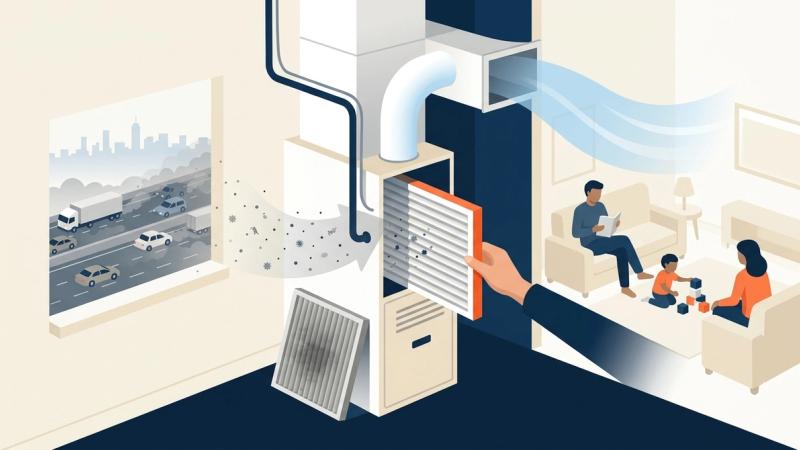
- MERV 13: also captures a meaningful share of fine particles, including smoke and combustion particles from vehicle exhaust.
For the broader benefits, see our earlier post on how high-efficiency MERV filters improve indoor air. This post is about fit.
Is a MERV 13 Filter Too High for My Furnace?
Usually not. The EPA notes that most furnaces and HVAC systems can accommodate a MERV 13 filter without creating equipment problems, provided the filter is replaced frequently. But as the Pacific Northwest National Laboratory explains, filter performance has two sides: how well it removes particles and how much it resists airflow (pressure drop). A denser filter makes the blower work harder, and some systems have little margin to spare.
A quick self-check
- Read the frame. Note the size on your current filter, especially thickness: 1 inch, or 4 to 5 inches.
- Check the fit. Look for gaps around the edges or a missing slot cover. Air takes the easy path around the filter.
- Check the arrow. It should point toward the blower, away from the return duct.
- Watch after the swap. Install a correctly sized MERV 13 and watch for the warning signs below over the next few weeks.
Why a 1-Inch MERV 13 Restricts More Than a 4-Inch One
A 4- or 5-inch media filter packs far more pleated surface into the same opening. Air passes through each square inch more slowly, so pressure drop is lower at the same MERV rating and the filter takes longer to load up. A 1-inch MERV 13 squeezes dense media into a small area, so it starts more restrictive and gets worse quickly as it fills.
When a media filter cabinet is worth adding
- You want MERV 11 to 13 but only have a 1-inch slot.
- Someone at home has allergies or asthma.
- A 1-inch high-MERV filter is causing the airflow symptoms below.
A cabinet needs space beside the furnace and sealed sheet metal work, so it's a job for a licensed technician. Many Fort Lee condos and townhomes have air handlers tucked into closets or ceilings with no room for one. Options there include a deeper filter grille, an added return, or a standalone unit. Our air cleaners, purifiers and filtration page covers what we install.
Signs a Filter Is Choking Your System
- Weak airflow at the registers
- Rooms heating unevenly, especially those farthest from the equipment
- A filter that clogs much faster than expected
- Short cycling, where the system turns on and off frequently
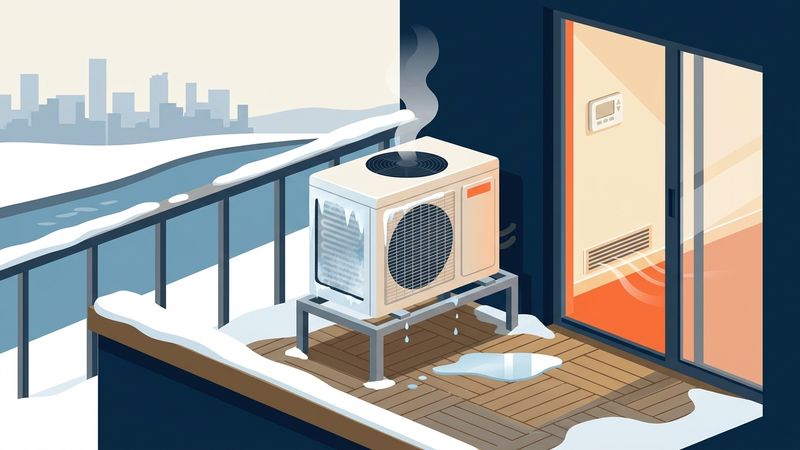
- A frozen evaporator coil or iced refrigerant lines in summer
If you see these, go back to a fresh filter or a lower MERV and have the system checked.
Picking a Rating for Fort Lee's Fall Season
Fall is a busy time for indoor air in Fort Lee. Ragweed pollen keeps allergy symptoms going into September and October, and mold becomes a problem as fallen leaves collect moisture and break down. Then the heat comes on and the house closes up. Homes near the George Washington Bridge approaches also deal with traffic, and ABC7 has reported the borough is bracing for possible added traffic and pollutants from congestion pricing.
MERV 8 handles most pollen. For allergies plus fine traffic particles, MERV 11 to 13 is the better range if your system passes the checks above.
How often to change it once the heat comes on
Start the heating season in October with a fresh filter. Check a 1-inch filter monthly and replace it per the manufacturer, sooner with pets or renovation dust. Follow the maker's interval for 4- to 5-inch media. Long winter run times load filters faster.
MERV vs FPR/MPR vs HEPA
The EPA notes MERV is based on a national consensus standard, while FPR and MPR are proprietary ratings, so compare filters by MERV when you can. True HEPA filters are too restrictive for most residential furnaces; HEPA belongs in portable purifiers or a bypass system with its own fan.
When a Pro Should Measure and Fix It
The surest answer comes from a static pressure test, which measures how hard the blower is working against the filter and ducts. Our engineers on staff can measure airflow properly and tell you whether MERV 13 fits as-is, needs a media cabinet, or needs duct changes. Leaky return ducts that pull unfiltered air from closets or attics are another common issue; ductwork repair and sealing closes those gaps.
Frequently asked questions
What is the best MERV rating for allergies?
MERV 11 to 13 is a good target for pollen, mold spores and pet dander, provided your system can handle the added resistance. Change it regularly, since a clogged high-MERV filter hurts airflow.
Can I put a HEPA filter in my furnace?
In most homes, no. Residential blowers generally can't push enough air through true HEPA media, so HEPA is used in portable units or bypass systems with their own fan.
Does a thicker filter mean better filtration?
Not by itself; the MERV rating tells you capture. A thicker filter at the same MERV mainly means less restriction and a longer change interval.
Need Indoor Air Quality Service in Fort Lee, NJ?
Call Heights Plumbing, Heating & Cooling at (201) 245-7772 or schedule online today!
Schedule Service