In this article
This R22 phaseout guide is for homeowners with an older R-22 air conditioner who are leaning toward replacing it. The short answer is that you can legally keep running and servicing an R-22 system, but R-22 is no longer produced for servicing, so every repair draws on a shrinking supply. Switching to R-454B is not a refrigerant swap. It means replacing the outdoor condenser and the indoor evaporator coil, and checking whether the line set and your furnace or air handler can stay.
Can I still use my R-22 AC?
Yes. The EPA's guidance for homeowners says there is "no EPA requirement to get a new system or convert existing HCFC-22 units" to a substitute. What changed is supply: after 2020, only recycled, reclaimed or previously produced R-22 can be used to service existing equipment.
That shows up in the price. Trane's national figures put the 2025 average at about $150 per pound, ranging from $90 to $250, and note that a full recharge may need 2 to 4 pounds per ton of capacity. Those are Trane's averages, not our prices, but they explain why a leaking R-22 system gets expensive to keep topped up. If you're still undecided, our guide to repairing or replacing an R-22 system covers that choice, and the R-22 phaseout overview for North Jersey homeowners explains the background.
How to tell if your AC uses R-22, plus other safe self-checks
You can do all of these without tools and without touching refrigerant:
- The condenser nameplate. The label on the outdoor unit lists the refrigerant, usually as R-22 or HCFC-22. As a rough guide, a system installed before about 2010 is probably R-22.
- Oily residue on fittings. Refrigerant carries oil through the system, so a greasy film at joints or service valves can point to a leak.
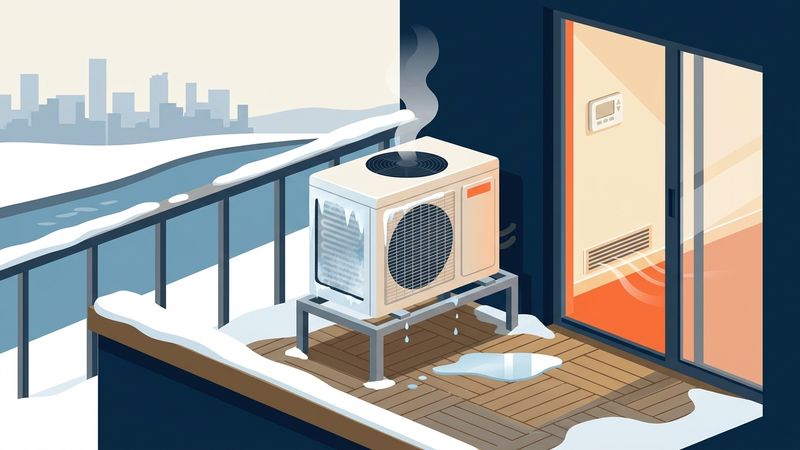
- Ice on the lines. Frost on the larger copper line or the indoor coil often means low charge or poor airflow. Turn the cooling off, let it thaw and check the filter.
- Short cycling. A system that starts and stops every few minutes has a problem worth diagnosing.
- Vent air temperature. If air at the registers feels barely cooler than the room on a warm day, note it.
Write down what you find, along with the model and serial numbers from the nameplate. It makes the first visit faster.
Why there's no drop-in replacement for R-22
Topping off the system yourself isn't an option. Homeowners cannot purchase R-22 for DIY servicing, and EPA Section 608 certification requirements apply to technicians who purchase and handle regulated refrigerants. The EPA also warns that propane and other unapproved refrigerants, including products marketed as R-22a, pose a fire or explosion hazard for homeowners and service technicians. Even approved alternatives aren't simple swaps: one refrigerant maker states it "does not advocate the use of the term 'drop-in'".
What an R22 to R454B replacement involves
R-22 and R-454B operate at different pressures and require specific lubricants and components, and mixing them will damage your air conditioner. So the job is more than swapping the outdoor unit. Here's what changes.
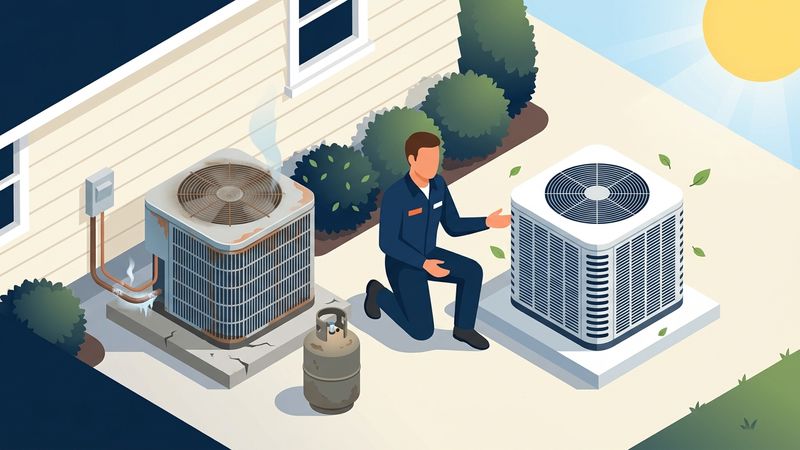
The outdoor condenser
The old unit is replaced with an R-454B condenser sized for your home. A load calculation is worth doing, because many homes have had additions, new windows or insulation since the original system went in.
The indoor evaporator coil
The coil must be rated for R-454B and matched to the new condenser. An old R-22 coil holds the wrong oil and wasn't built for the new refrigerant. Our evaporator coil services page explains how coils are matched.
The furnace or air handler
The coil sits on a furnace or inside an air handler, and the blower has to move the right amount of air for the new system. If that equipment is as old as the condenser, replacing it at the same time often makes sense, and some systems need a matched air handler to perform as rated.
The line set
The copper lines between the indoor and outdoor units can sometimes be reused if they're the correct size, in sound condition and can be cleaned and pressure-tested. If they run through finished walls and test tight, reuse is often practical. If they're kinked, undersized or leaking, they should be replaced. A technician makes that call on site.
Recovering the old R-22, brazing, evacuating, charging and matching equipment all require a licensed, EPA-certified technician. Our R-22 replacement and R-454B installation service covers the full job, with upfront pricing before work begins.
Why R-454B, and what about R-410A?
The EPA limits refrigerants in new residential AC and heat pump systems to a GWP of 700. R-410A is above that limit and is being phased down, so new systems are moving to lower-GWP refrigerants such as R-454B. Parts used to repair existing systems are exempt. Choosing R-454B now means you aren't installing equipment built around a refrigerant on its way out.
Why plan an R-22 replacement in October
An R-22 system that fails in July forces an emergency choice on a hot day. In October the cooling season is behind you, so you can get a load calculation, compare options and schedule the installation on your own timeline. Our team serves homeowners in Hillsdale from our local office, and our engineers and licensed technicians can assess your existing system before you commit.
Frequently asked questions
Is recharging R-22 illegal?
No. A certified technician can legally recharge an existing R-22 system using recycled, reclaimed or previously produced refrigerant. Homeowners can't buy R-22 for DIY servicing.
Can I put R-454B in my existing R-22 system?
No. The two refrigerants run at different pressures and use different lubricants, so mixing them damages the system. The condenser and coil need to be replaced as a matched set.
My R-22 system has a leak. Should I fix it or replace it?
That depends on where the leak is and the system's age and condition. A refrigerant leak search pinpoints the problem so you can decide with real information.
Need Air Conditioning Service in Hillsdale, NJ?
Call Heights Plumbing, Heating & Cooling at (201) 245-7772 or schedule online today!
Schedule Service